Neel
Khokhani
Founder and investor across aviation, finance, and AI infrastructure. Through Epochal Corporation, my single-family office, I allocate capital with conviction and a long horizon — the temperament behind every company I've built and the collection I've assembled.
Epochal Corporation
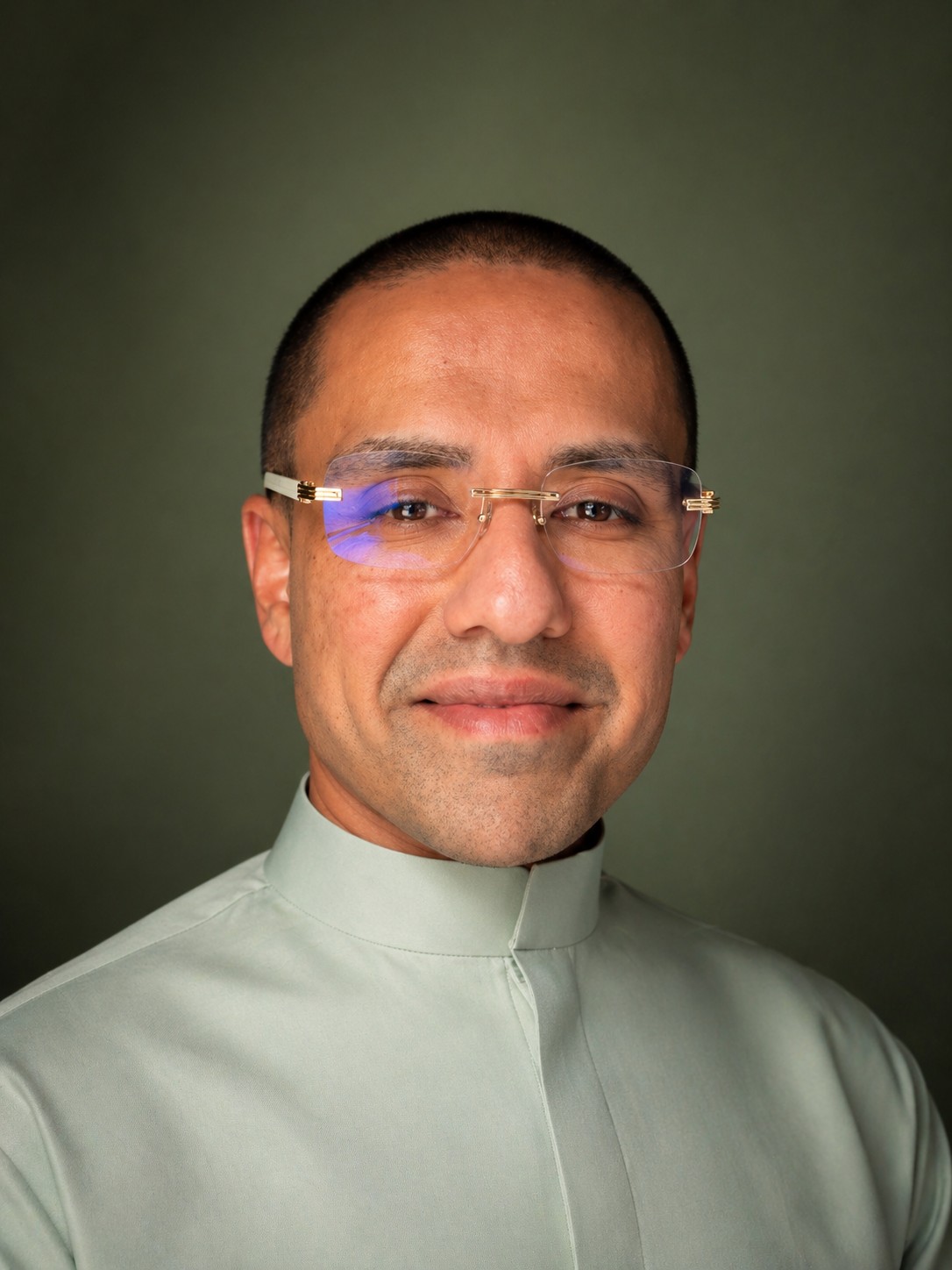
I identify a structural shift early, take a meaningful position, and stay with it.
Neel Khokhani is an entrepreneur and investor whose career spans building and scaling operating companies and backing the infrastructure powering the next era of computing. He founded and scaled Australia's largest flight-training academy, led successful exits in financial services, and today invests with conviction across the AI-infrastructure value chain — the compute, power, and data-centre platforms underpinning artificial intelligence.
His work today is conducted through Epochal Corporation, a Dubai-based single-family office. His approach is concentrated and long-horizon: a small number of meaningful positions, entered early and held through the cycle.
He thinks of himself as a patron as much as an investor. Over the past seven years he has built The Epochal Collection — more than eighty works of contemporary art — applying the same conviction, patience, and independence of judgment that guide everything he backs.
How I allocate
The temperament behind the companies and the collection is the same one behind the capital.
I commit before the verdict is in, take a meaningful position, and stay with it. The risk of being early is not a cost I tolerate — it is the substance of the work.
Conviction over consensus
I back a thesis before the market has blessed it, and I am wary of any position whose main credential is that it already has.
Early & concentrated
I identify a structural shift early and take a meaningful position in a small number of things, rather than spreading thinly across many.
Depth over breadth
When a thesis is worth holding, I go deep and stay with it across the cycle, rather than diversify into noise.
Conviction is never outsourced
I value trusted advisors as interlocutors, not crutches. The judgment, and the responsibility for it, are mine — and the ones I trust most are those who push back.
A long horizon
Capital measured in cycles, not quarters. I commit for the long term and stay close to the people I back.
Willing to be wrong
Comfort with being early — and occasionally wrong — is the price of returns the consensus cannot reach.
Selected portfolio
Each position began as a non-consensus view — taken early, sized meaningfully, and held through the cycle.
Backed the compute layer of AI before the market had named it a category.
A leading developer of next-generation data centres powering AI and high-performance computing on a vertically integrated renewable-energy platform.
Took a top-five individual position early, and exited into strength.
One of North America's largest operators of high-performance and AI/HPC data-centre infrastructure. Held over several years and recently exited.
Saw a structural shortage of trained pilots, and built the supply.
Built from a single aircraft and $5,000 in capital into the academy training the majority of the nation's commercial pilots, culminating in a 2018 private-equity partnership with The Growth Fund.
Consolidated a fragmented broking market, then exited at national scale.
One of Australia's largest online direct-to-consumer asset-finance broking platforms, sold to ASX-listed Pepper Money in a 2022 transaction valuing the business at approximately $120 million.
Positioned ahead of capital's migration into the Gulf.
A premium platform positioned at a defining macro shift — the migration of high-net-worth individuals and capital into the GCC's low-tax jurisdictions — with a strong, loyal brand following among the region's incoming wealth.
The work I return to — the case for collecting in depth, not in breadth.
On the machine age
A note on why I invest where I do, and collect the way I do.
We are living on a hinge between two ages — and the oldest question there is, what a human being actually is, is being reopened by the machine.
I spend my working life close to the technologies about to flood the world with synthetic images: AI infrastructure, compute, the physical backbone of the machine age. From there, one conclusion has become unavoidable to me.
The more these generative tools proliferate, the more precious the demonstrably human becomes. Authenticity, provenance, and the evidence of the human hand move to the centre of how we value things. Scarcity migrates to whatever cannot be synthesised.
Scarcity migrates to whatever cannot be synthesised.
This is why I invest where I do, and collect the way I do. The same turn that makes compute the defining infrastructure of the age makes the irreducibly human the thing we will most want to keep. The two convictions are really one conviction.
An epoch, to me, is not a length of time. It is the join between two of them — the point at which one age tips into the next. I want a record of what we were, and of what we still made by hand, right at that edge. The machine age will not make the human obsolete; if anything, it will be the thing we most want to preserve.
— Neel Khokhani
The Epochal Collection
Curiosity, exploration, identity — contemporary work gathered from the human side of a turning age.
I think of myself as a patron rather than a collector — backing work before the verdict, and staying once it arrives.
The collection began with an idea I found in David Rockefeller: that living amongst significant work engages a different part of you than business does, and makes for a fuller, more balanced life. Seven years on, it runs to more than eighty works by over eighty artists, across more than twenty-five countries.
I refuse the two maps the art world usually draws. I won't rank artists by career stage — an Ed Ruscha or a Richard Prince hangs in the same conversation as a painter showing serious work for the first time. And I look well beyond New York and London: Indigenous Australia, sub-Saharan Africa, the Andes, East Asia.
I sometimes describe it as a letter to a reader I'll never meet, on the far side of the age now turning — a record of what we were, and of what we still made by hand at the edge of the machine. A selection is below.
The Spanish Class, 2024
Ed Ruscha
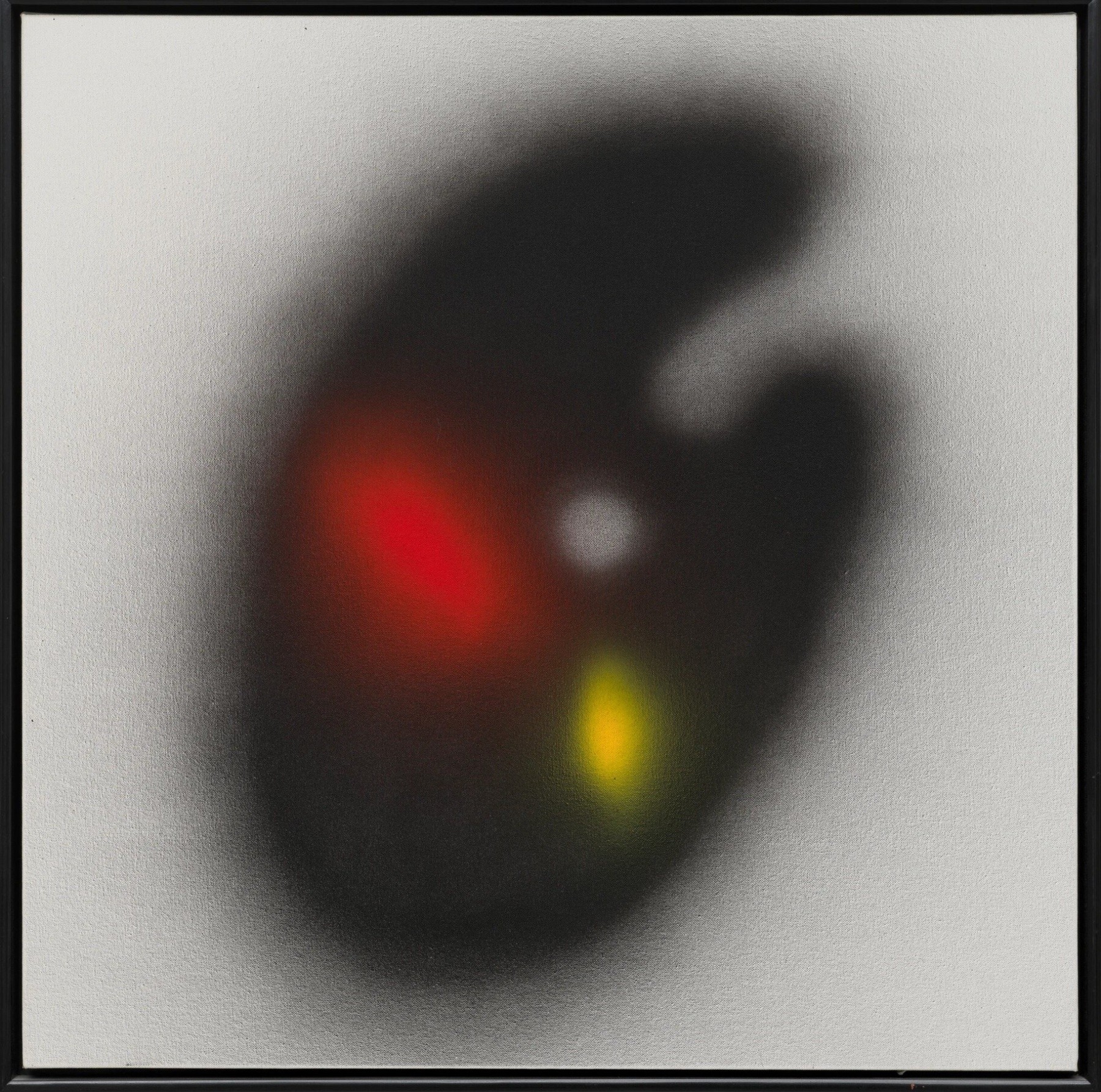
Limited Palette, 1989
Acrylic on canvas
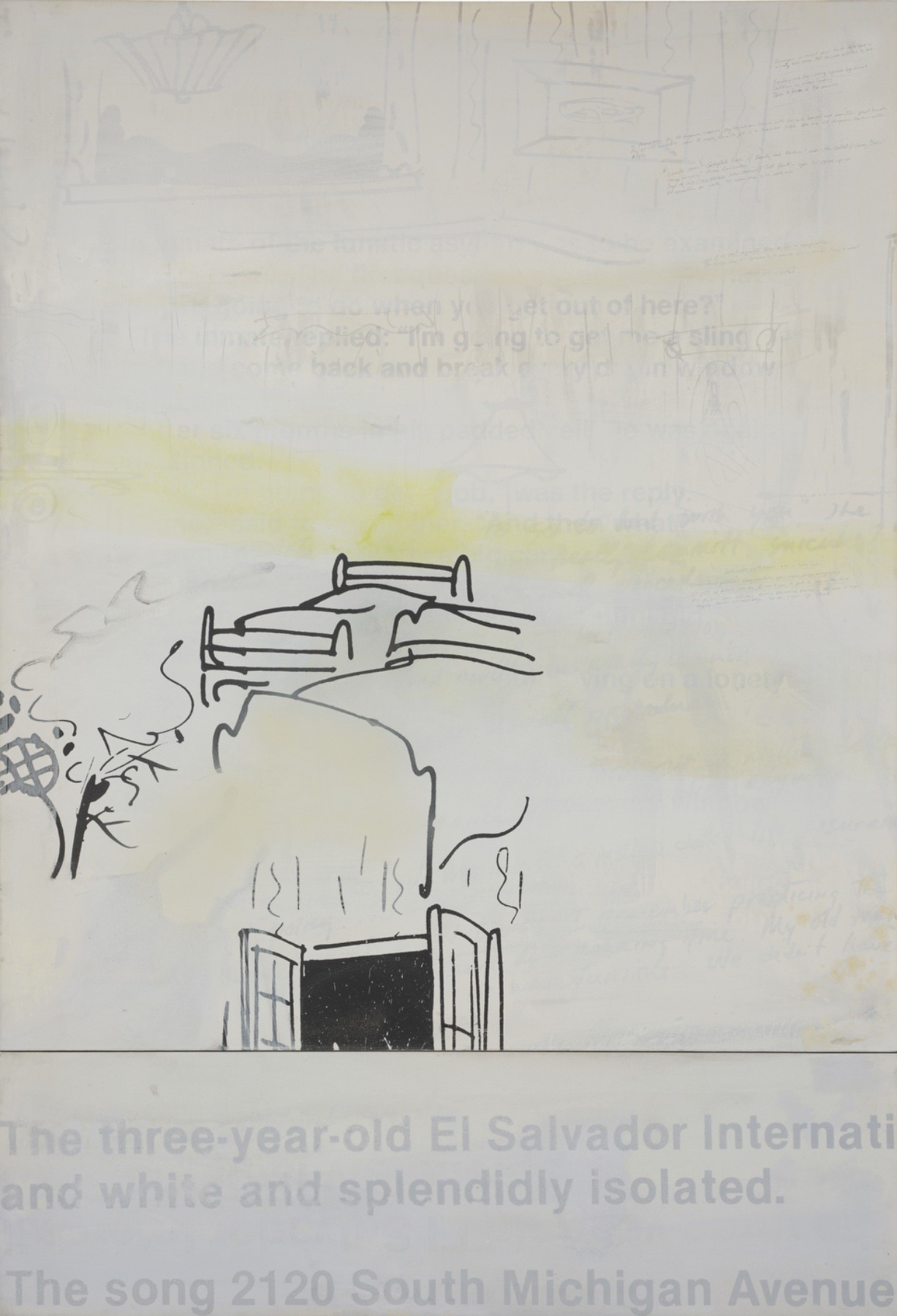
Richard Prince
The Song 2120 South Michigan Ave., 1989
Acrylic, silkscreen ink & graphite on canvas
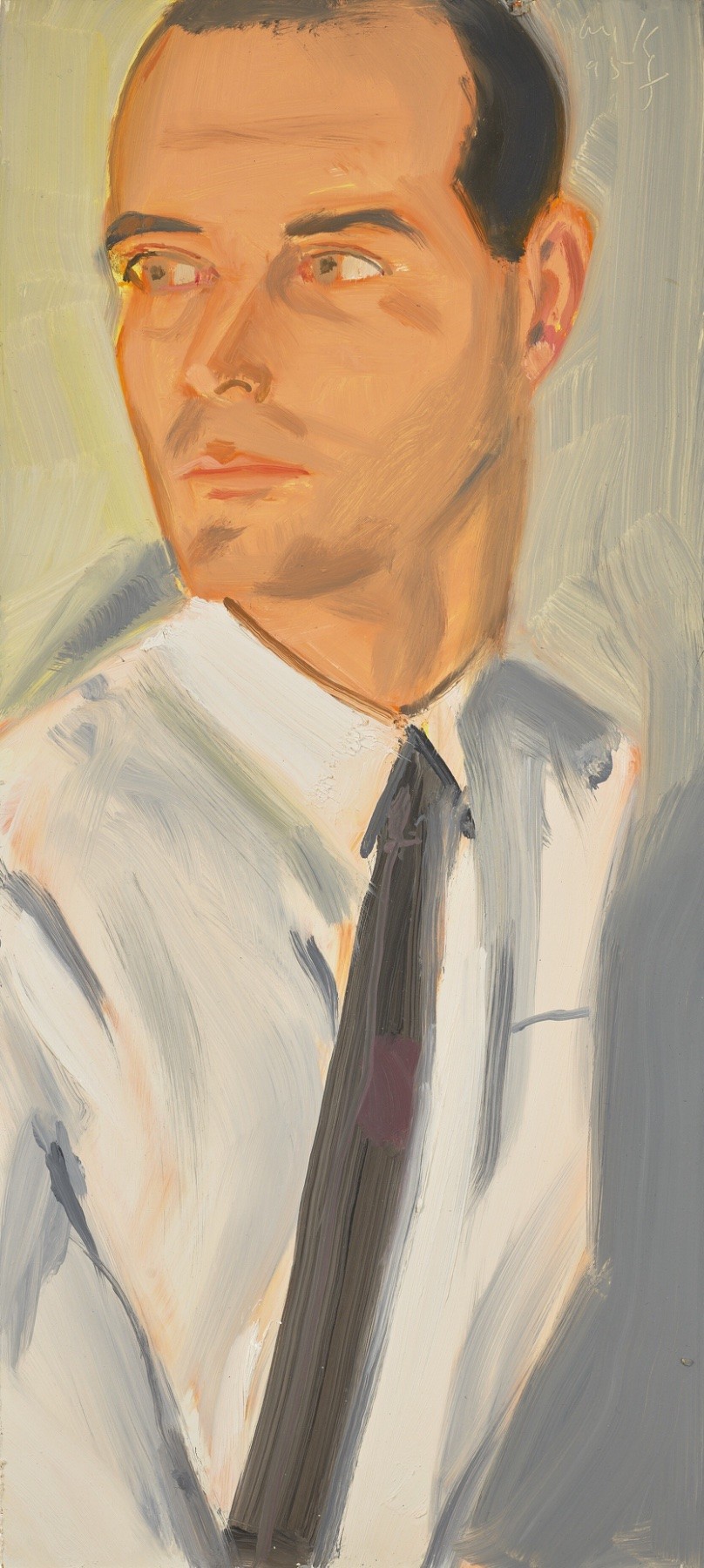
Alex Katz
Study for Man in White Shirt (Peter), 1995
Oil on Masonite
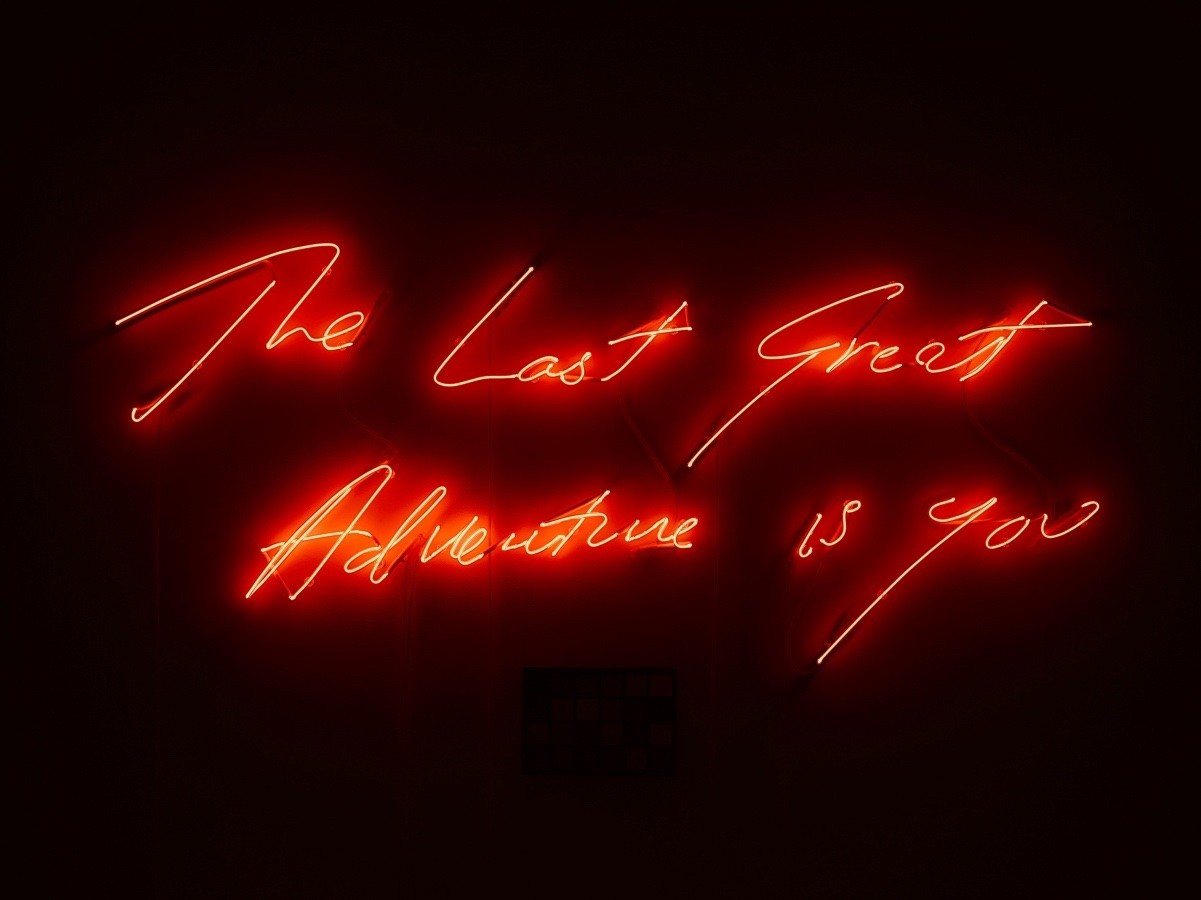
Tracey Emin
The Last Great Adventure is You, 2014
Neon, ed. 1 of 3
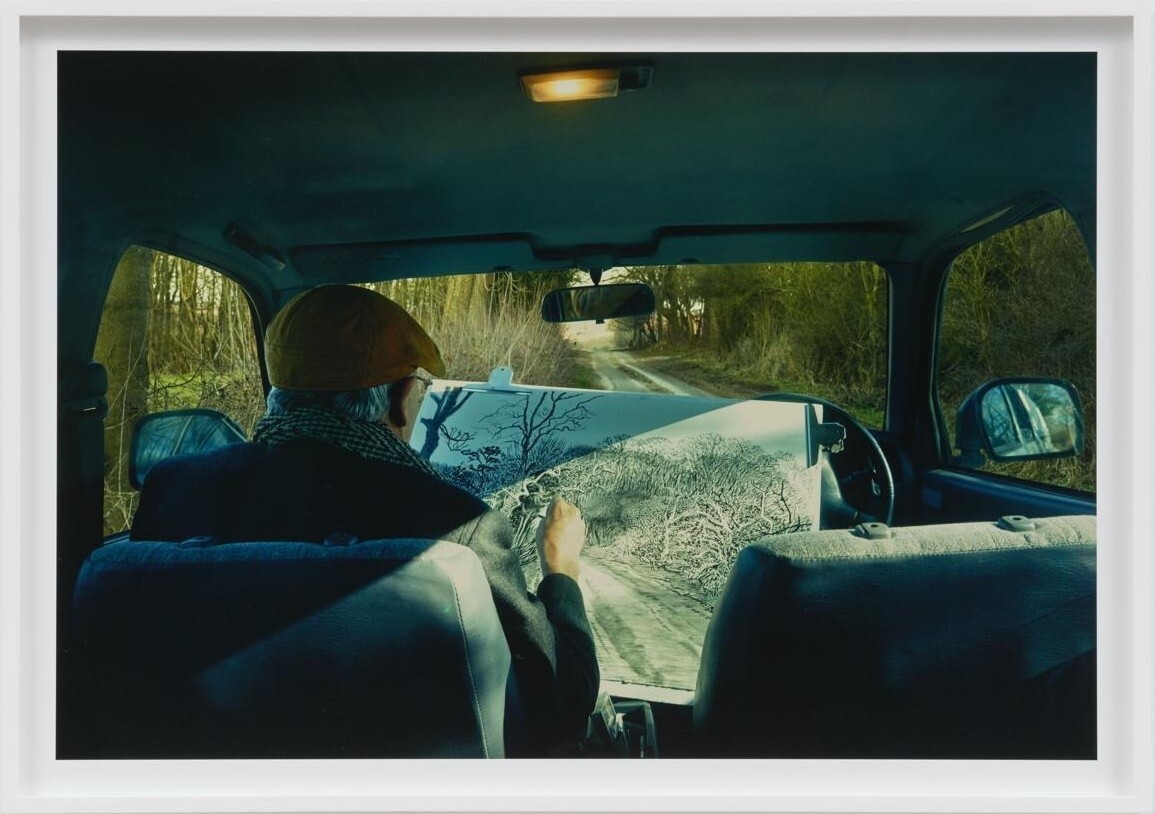
Annie Leibovitz
David Hockney, Bridlington, 2013
Archival pigment print, ed. 4 of 8
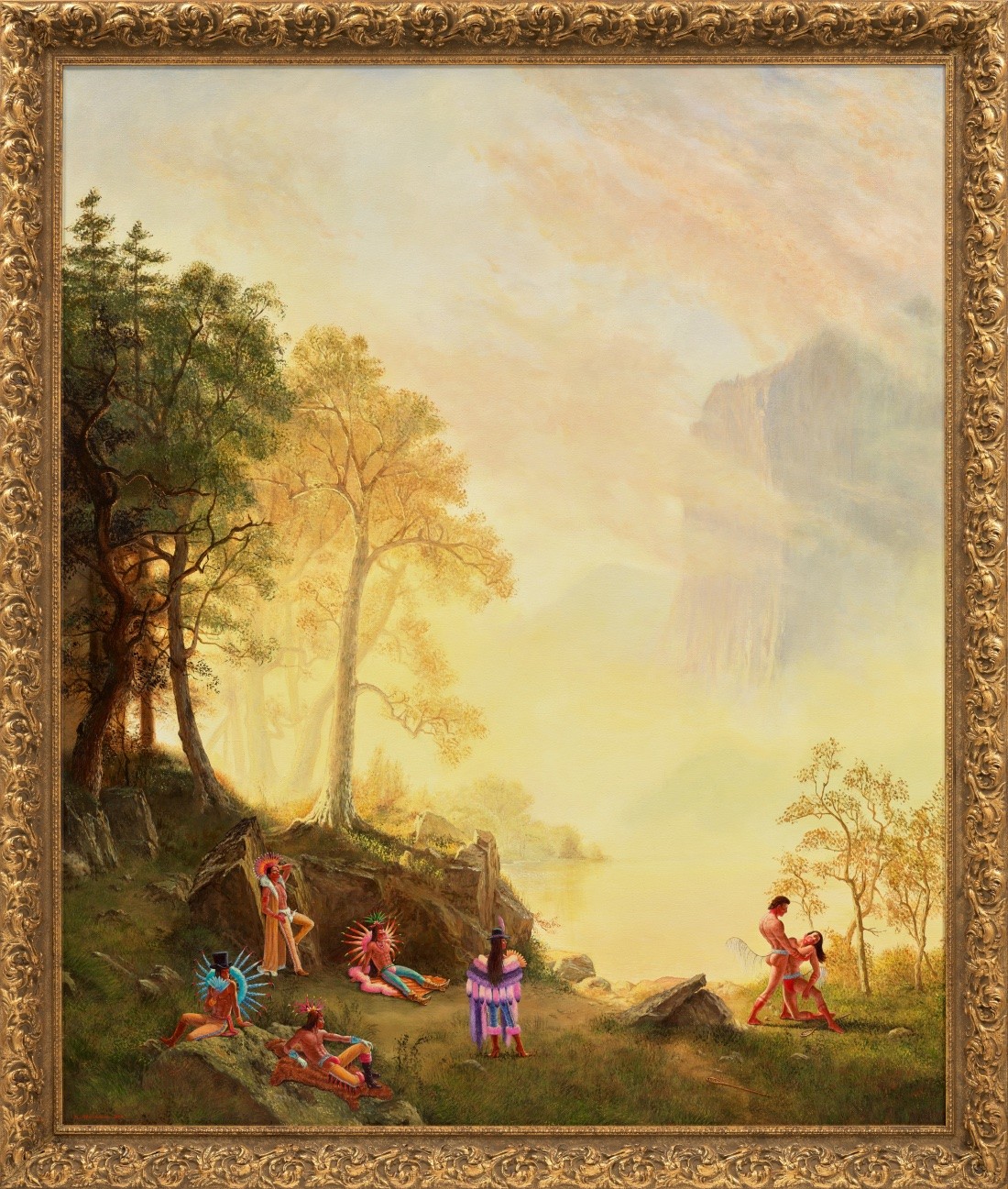
Kent Monkman
Recumbent Dandies Observe the Perils of the Games, 2008
Acrylic on canvas
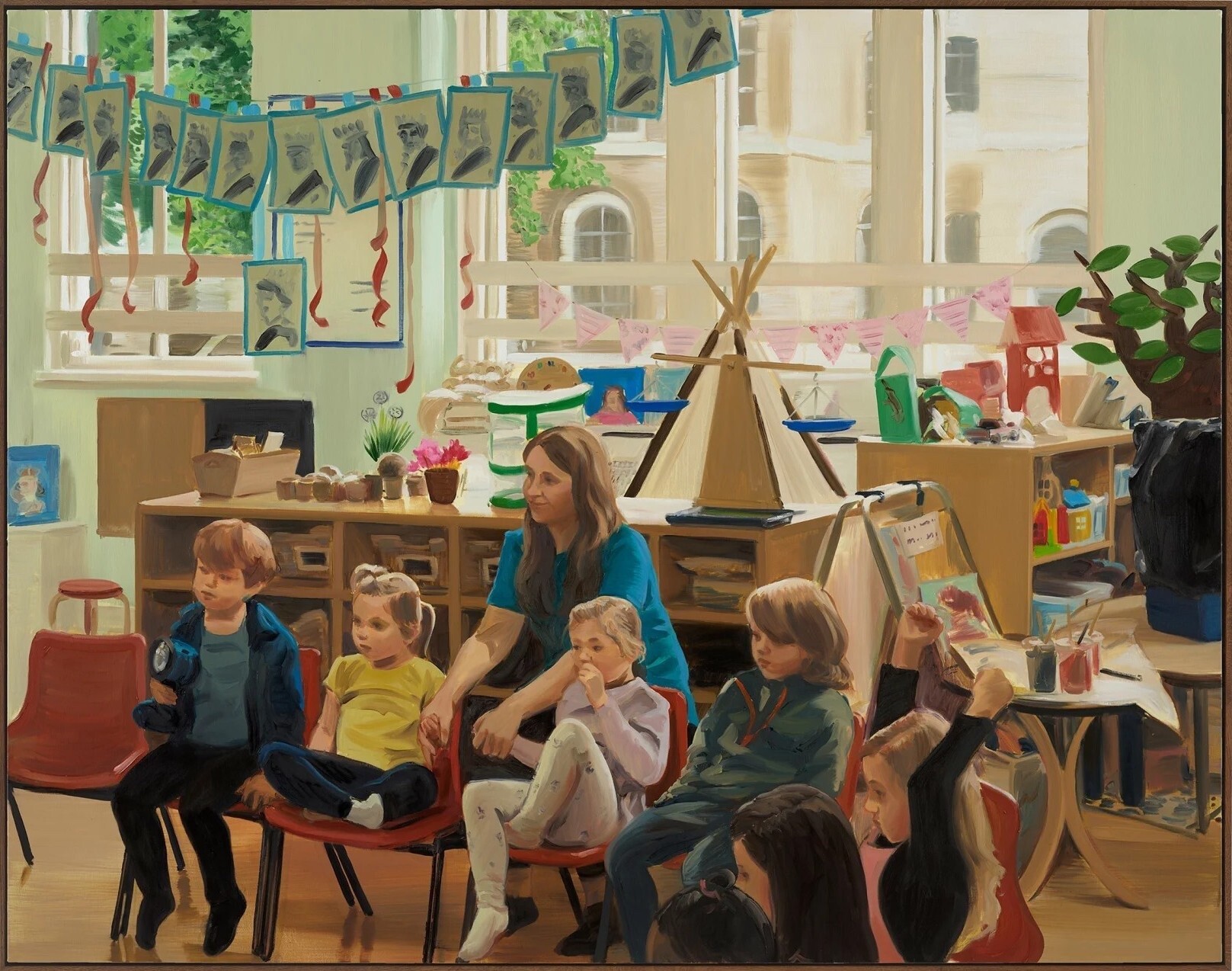
Caroline Walker
The Spanish Class, 2024
Oil on linen
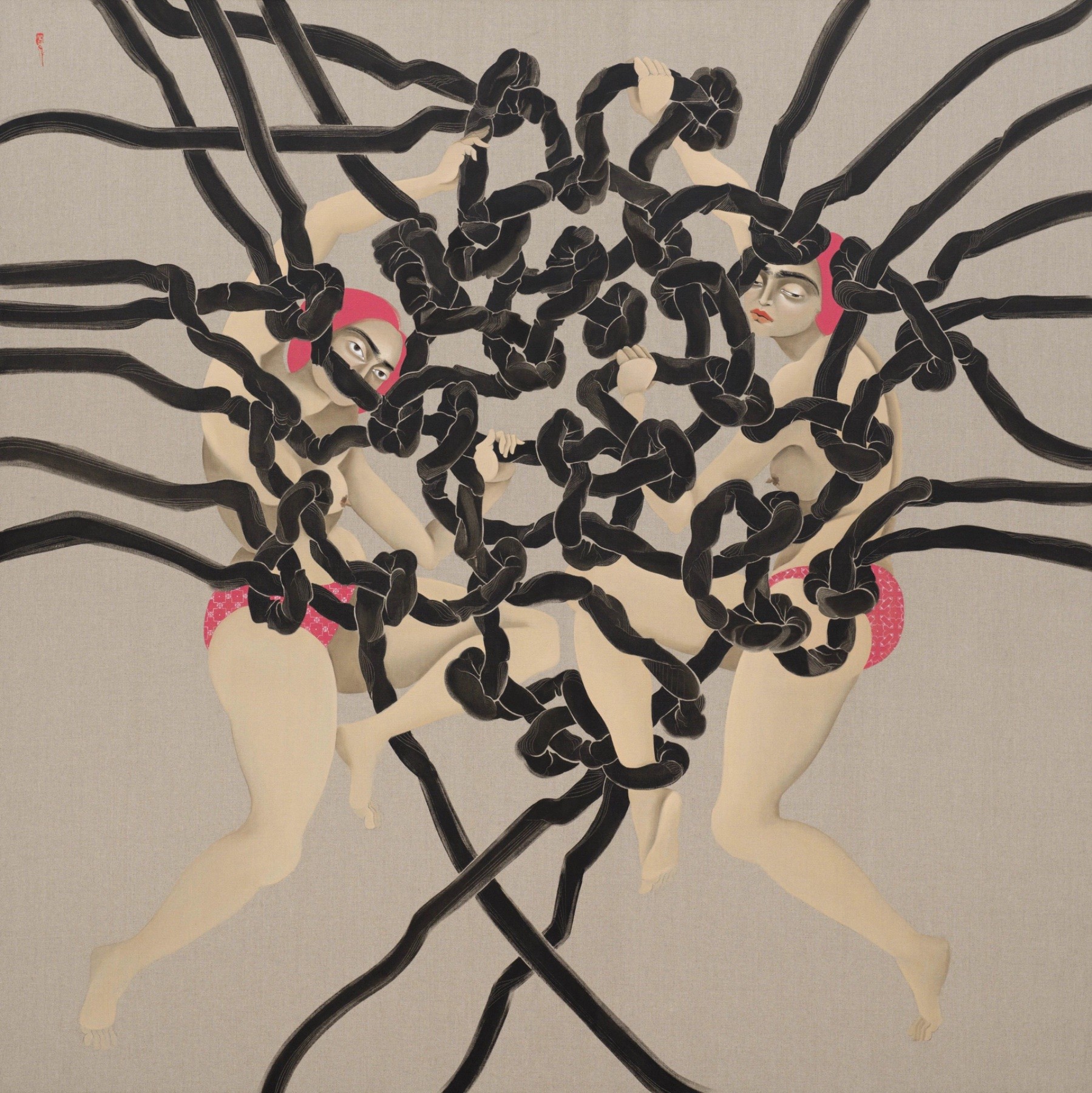
Hayv Kahraman
Entanglements no.1, 2021
Oil on linen
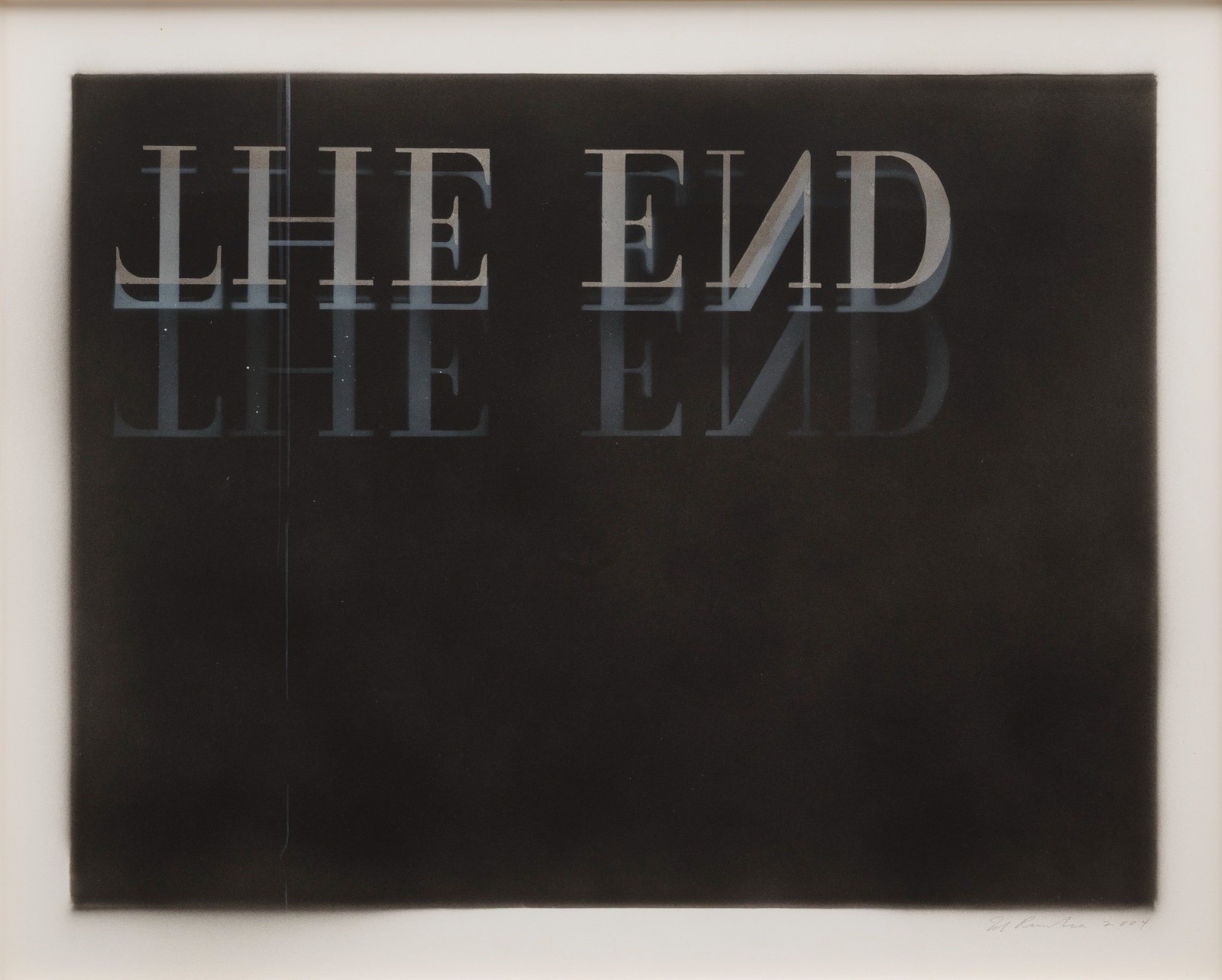
Ed Ruscha
The End #51, 2004
Acrylic on museum board
When an artist is working a question this seriously, I would rather go deep and stay with the practice than own a single example of it.
Collected more deeply than any other artist. Her returns to the same motifs over years are the argument — no single canvas makes it alone.
A carved wood sculpture acquired to sit in dialogue with a glazed ceramic I already owned — two registers of one practice, answering each other.
The first work I acquired, and still the register for everything since: backing the work for what it risks, not for what the market had already decided.
Patronage as philanthropy
Directing capital to where it changes what becomes possible — before any verdict is in.
The most meaningful part of this work is supporting an artist at the moment when support genuinely changes what they are able to make.
Emerging & underrepresented voices
Backing serious artists in places the art world treats as periphery — Indigenous Australia, sub-Saharan Africa, the Andes, East Asia.
Public access
Lending works to exhibitions and institutions, so they reach an audience far wider than any one collection.
Artists, directly
Collecting in the primary market wherever I can, so that what I commit reaches the person actually making the work.
Art isn't an ornament on a successful life. It's a way of becoming a more complete person — of thinking with both halves of yourself.
I keep returning to something I read in David Rockefeller: that living amongst significant work engages a different part of you than business does — the right side of the brain alongside the left — and makes for a fuller, more balanced life. That idea has never left me.
My favourite grouping in the whole collection hangs a name most people would recognise beside the work of a serious sculptor — and, between them, a painting by my son, Maison. I love it more than almost anything I own, and not only for sentimental reasons. It is the truest expression of the thing I keep insisting on: that I do not rank work by where its maker happens to sit.
Entrusting capital
How I hold the responsibility when capital other than my own is involved.
Aligned
I invest my own capital alongside every conviction. My incentives and a partner's point the same way.
Patient
Capital committed for the long term and measured in cycles, not quarters.
Independent
Conviction is never delegated. The judgment, and the responsibility for it, remain mine.
Discreet
Relationships conducted privately, with the discretion this work requires.
Whether it is a company or a canvas, I am drawn to the same thing — conviction, patience, and the courage to make something that lasts.
For family-office and capital-partnership enquiries, in confidence.
hello@khokhani.com.au